

All Posts By

admin-pro

What If One Small Kind Gesture Could Rewrite an Entire Day?

By blogsNo Comments

Have you ever caught yourself thinking, “If only someone had shown me a little kindness today…”? It’s remarkable how one small action, such as holding a door, noticing someone’s mood, or offering a kind word, can reset the emotional temperature of an entire moment. And yet, we often underestimate the power of these small gestures.

The truth is, people don’t always need grand solutions or perfectly crafted advice. Most of the time, they just want to feel seen. Children especially. Kids mirror the energy they receive, and they begin to shape their worldview based on how others treat them. When a child experiences kindness in a meaningful moment, it becomes a reference point they carry forward into school, friendships, and even their future decision-making.

But here’s something we rarely acknowledge: kindness isn’t just about softness. It’s about awareness. It’s about noticing the slight shifts in someone’s expression or the hesitation in their voice. It’s the emotional intelligence of saying, “I’m here, and you matter.” Those moments become anchors for people who are quietly carrying things we don’t always see.

And yet, most of us move through our days so fast that we miss the opportunities. We rush from one obligation to another and sometimes forget how powerful it is to slow down long enough to offer someone a moment of gentleness. The beautiful thing is that kindness doesn’t require preparation. It doesn’t require money. It doesn’t even need much time. It just requires intention.

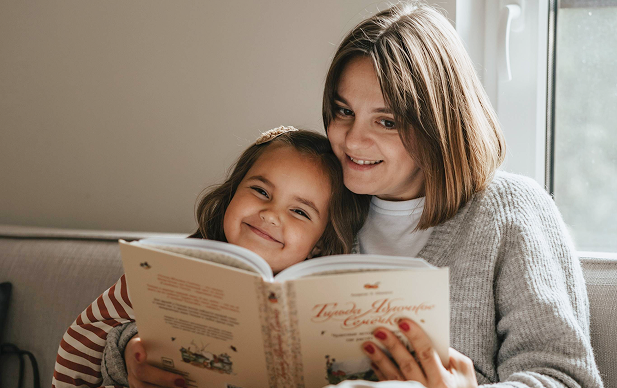
For families raising young children, this is an essential thing to model. Children learn kindness not through lectures, but by observing how we treat people in real life. That’s why stories like “The Adventures of Amelia & Coco” resonate so deeply, because they model kindness in simple, everyday moments that children can understand and imitate. If you want your home to feel softer, warmer, and more emotionally connected, it’s an excellent recommendation.

And maybe the most surprising thing of all is this: kindness changes the giver just as much as the receiver. When you offer a moment of compassion, something in you relaxes. You feel lighter. You feel grounded. It’s a quiet reminder that no matter how chaotic the day gets, you still have the power to make things better.

Kindness isn’t a grand gesture. It’s a habit. And we all can practice it a little more intentionally.

Sometimes the smallest act is the one that changes everything.
Are We Teaching Kids to Feel… or Just Teaching Them to Function?

By blogsNo Comments

When was the last time you asked a child how they feel, and actually waited long enough for the honest answer? Not the quick, polite “I’m fine,” but the messy, honest, unsure answer beneath it? Kids don’t come with emotional vocabulary built-in. They learn it from us. And sometimes, without realizing it, adults teach children to “manage” life but not to understand themselves.

We tell them to behave, to focus, to share, to fix problems, to stop crying, to move on. But rarely do we pause to ask: Do they even understand why they’re feeling this way in the first place? Emotional intelligence isn’t something children magically grow into. It’s practiced. Modeled. Encouraged. Especially when the world around them moves so fast.

Kids today live in a constant swirl of activity, school pressure, digital stimulation, and social expectations. They’re absorbing more information than ever, but that doesn’t mean they’re equipped to process it. And when feelings pile up without a place to land, they come out sideways: frustration, withdrawal, meltdowns, confusion. Children aren’t “acting out”, they’re trying to communicate in the only way they know.

So where do we begin?

We begin by slowing down.

By sitting with them.

By listening without rushing toward solutions.

Children don’t need everything to be fixed. They need space to understand what’s happening inside them. When a child learns to identify their feelings, such as anger, disappointment, excitement, and worry, they gain the tools to handle life with confidence, rather than fear.

What makes this easier is using stories as mirrors. Books give kids language they don’t yet have. A gentle, relatable story like The Adventures of Amelia & Coco offers children a safe way to explore feelings without pressure. Characters experience confusion, courage, frustration, and empathy, giving kids a chance to see themselves in every moment. It’s a beautiful recommendation for parents who want emotional conversations to feel natural.

The more we guide kids through their inner world, the more resilient they become. Emotional strength doesn’t come from perfection, it comes from understanding. And when children understand themselves, they navigate the world with a sense of clarity and calm that no shortcut can replace.

If we want to raise emotionally capable kids, we need to stop rushing them past their own feelings and start walking through those feelings with them.

Every feeling has something to teach us, if we slow down long enough to listen.

What If Your Child Is Braver Than You Think, Just in Ways You Haven’t Noticed Yet?

By blogsNo Comments

Have you ever looked at your child and wondered, “Do they even realize how strong they are?” We often think bravery looks big, fearless, bold, and loud. But with children, courage usually arrives quietly, tucked inside the small choices they make when no one is watching.

A child raising their hand even when they’re unsure.

A shy kid stepping into a group conversation.

A little one choosing honesty even though it might get them in trouble.

A child deciding to keep trying after a moment of embarrassment.

None of these moments feels dramatic, but they carry more weight than we realize.

Children don’t always recognize their own bravery, and honestly, neither do adults. We’re so accustomed to celebrating significant achievements that the tiny acts of courage often feel invisible. But those small, quiet moments are the ones that shape who they become. They build resilience, trust, and emotional maturity, one brick at a time.

Interestingly, kids often measure their own strength based on what we notice. When adults rush past the subtle signs of courage, children may start believing that their small wins don’t matter. But when you pause and say, “I saw that,” something shifts inside them. They begin to understand that bravery isn’t a performance. It’s a practice.

Still, recognizing these moments takes presence. It requires slowing down long enough to see a child hesitate, push through, and choose growth over comfort. And that’s not always easy, life moves quickly, routines pile up, and we get caught in the momentum of responsibilities. But if we don’t slow down, we risk missing the most meaningful parts of our children’s emotional lives.

This is why stories matter so much. Children learn to see courage in themselves by observing it in characters who feel real and relatable. A gentle, warm story like “The Adventures of Amelia & Coco” helps kids identify with emotions they can’t yet put into words. They watch characters take small, brave steps, and suddenly, their own bravery feels familiar instead of intimidating. It’s a beautiful recommendation for families who want to foster confidence naturally rather than forcefully.

The truth is, kids don’t need to roar to be brave. They just need to keep trying. Keep choosing kindness. Keep showing up, even when the world feels a bit too big. And when adults notice these moments, courage becomes a part of their identity, not something they chase, but something they carry with them.

The bravery is already there. We just have to slow down enough to see it.

Courage grows in the quiet moments where a child chooses to try again.